
How common is circumcision globally?

 Circumcision, the surgical removal of the foreskin from the penis, is practiced globally but its prevalence varies significantly across different regions and cultures. It is one of the oldest surgical procedures known to humanity, with historical roots in religious, cultural, and medical contexts.
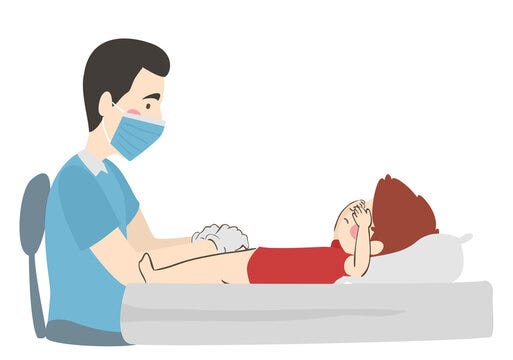
Global Prevalence and Regional Variances

1. Religious and Cultural Practices:

  • Judaism: Circumcision (brit milah) is a fundamental rite of passage for Jewish males, typically performed during infancy.
  • Islam: Male circumcision (khitan) is widely practiced as a religious obligation among Muslims, often performed in early childhood.
  • African Cultures: Many African ethnic groups practice circumcision as a cultural tradition, often marking the transition to manhood.

2. Medical Reasons:

  • Health Benefits: Circumcision has been associated with reduced risks of urinary tract infections, sexually transmitted infections (including HIV), and penile cancer in some studies.
  • Medical Necessity: In cases of phimosis (tight foreskin), recurrent infections, or other medical conditions, circumcision may be recommended by healthcare providers.

3. Geographic Distribution:

  • North America: Circumcision rates are high, with the procedure being routinely performed for cultural, religious, and purported health reasons.
  • Africa: Circumcision prevalence is significant due to cultural practices, especially in sub-Saharan regions.
  • Europe: Rates vary widely across countries, with some having low circumcision rates due to cultural differences and historical factors.
  • Asia: Circumcision prevalence varies; in some parts of Asia, it is common among Muslims and certain ethnic groups.

Controversies and Debate

1. Ethical Concerns:

  • Some view circumcision as a violation of bodily autonomy, especially when performed on infants or individuals unable to consent.
  • Cultural and religious justifications often clash with human rights arguments against non-consensual procedures.

2. Medical Debate:

  • The medical community is divided on the necessity and benefits of circumcision, with some studies supporting health benefits while others question their magnitude and applicability.

Conclusion

Circumcision remains a complex and contentious issue globally, influenced by religious beliefs, cultural traditions, and medical considerations. While it is widely practiced in certain regions and communities, debates persist regarding its necessity, ethics, and long-term implications for health. Understanding circumcision’s prevalence and its cultural and medical contexts is crucial for informed discussions and decisions regarding this age-old procedure.

Comments

Popular posts from this blog

What role does hydration play in the prevention of kidney stones?

 Hydration is a crucial factor in the prevention of kidney stones, a painful condition caused by the accumulation of minerals in the kidneys. Kidney stones can vary in size and composition, but their formation often stems from concentrated urine that allows minerals like calcium, oxalate, and uric acid to crystallize and solidify.  Here’s how proper hydration plays a pivotal role in averting this condition: Dilution of Minerals : Adequate hydration ensures that urine remains dilute. When you drink enough water, urine production increases, and minerals get diluted, reducing their concentration in the kidneys. This makes it less likely for crystals to form and develop into stones. Flushes Out Substances : Water acts as a natural cleanser for the urinary tract. It helps flush out substances that could potentially form into kidney stones before they have a chance to crystallize. Without sufficient hydration, these substances can linger and aggregate. Prevents Crystal Formation :...

Can you explain the different types of minimally invasive surgeries available in urology?

 Minimally invasive surgeries in urology are designed to reduce the physical trauma of traditional surgical methods while still effectively treating urological conditions. These techniques generally involve smaller incisions, less pain, quicker recovery times, and minimal scarring.  Here’s a look at the various types of minimally invasive surgeries commonly used in urology: 1. Laparoscopic Surgery Laparoscopic surgery , also known as keyhole surgery, involves making small incisions (typically 0.5–1 cm) through which a camera (laparoscope) and specialized surgical instruments are inserted. The camera provides real-time images of the internal organs, allowing the surgeon to perform the procedure with precision. Applications: Kidney Surgery : Removal of kidney tumors or partial nephrectomy (removal of part of the kidney). Adrenal Surgery : Removal of adrenal gland tumors. Bladder Surgery : Treatment of bladder tumors or diverticula. Advantages: Less postoperative pain. Shorter ho...

Risks and Complications Associated with Kidney Transplant Surgery

  Kidney transplant surgery is a life-changing procedure that offers many patients with end-stage renal disease (ESRD) a renewed chance for a healthier and more active life. However, like any major surgery, it carries certain risks and potential complications. Understanding these risks can help patients and their families make informed decisions and better prepare for the post-transplant period. 1. Surgical Risks a. Infection: As with any major surgery, kidney transplant recipients are at risk for infections. The surgery itself can introduce bacteria, and the use of immunosuppressive medications to prevent organ rejection weakens the body’s natural defense mechanisms, making infections more likely. b. Bleeding: Significant bleeding during or after the surgery is a potential risk. Although surgeons take extensive measures to minimize this risk, some patients may require blood transfusions or additional procedures to manage bleeding complications. c. Anesthesia Complications:...