
How does aging affect the urinary system, and what can be done to mitigate these effects?

 Aging brings about various changes in the human body, and the urinary system is not exempt from these transformations. As we age, several physiological changes occur that impact the functioning of the urinary system, leading to potential issues such as incontinence, increased frequency of urination, and higher susceptibility to urinary tract infections (UTIs).
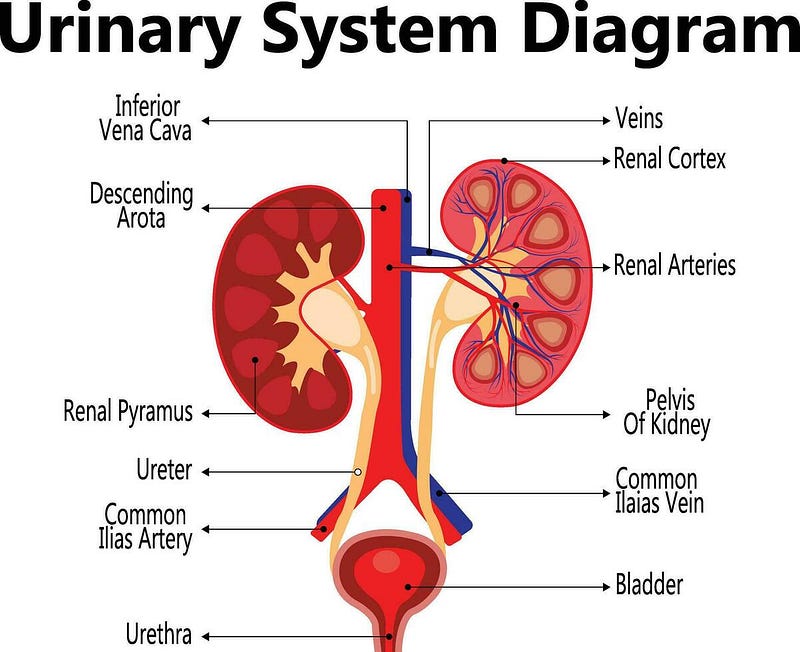
One of the primary changes is a decrease in bladder capacity and elasticity. The bladder muscles weaken over time, reducing its ability to hold urine for extended periods. This often results in a frequent need to urinate, including during nighttime (nocturia), which can disrupt sleep patterns and affect overall quality of life.

Additionally, the muscles of the urinary sphincters may weaken with age, leading to instances of urinary incontinence, where individuals may experience leaks of urine during activities such as coughing, sneezing, or lifting. This condition can vary in severity from mild to more significant forms that require medical intervention.

Another common issue affecting the elderly is an increased risk of urinary tract infections (UTIs). This vulnerability arises due to factors such as a weakened immune response, incomplete bladder emptying, or the presence of comorbidities such as diabetes or conditions affecting mobility. UTIs can cause discomfort, pain, and if left untreated, may lead to more serious complications such as kidney infections.

To mitigate these effects and promote better urinary health in older adults, several strategies can be employed:

  1. Stay Hydrated: Adequate hydration is crucial for maintaining urinary health. It helps in flushing out toxins and bacteria from the urinary tract, reducing the risk of infections.
  2. Pelvic Floor Exercises: Kegel exercises strengthen the muscles that support the bladder and urethra, which can help improve bladder control and reduce instances of urinary incontinence.
  3. Maintain a Healthy Diet: Eating a balanced diet rich in fiber and avoiding bladder irritants such as caffeine and alcohol can contribute to better urinary function.
  4. Regular Physical Activity: Engaging in regular physical exercise can help maintain overall muscle tone, including the muscles of the pelvic floor and bladder, which supports urinary control.
  5. Manage Chronic Conditions: Proper management of chronic conditions like diabetes and hypertension can reduce the risk of complications affecting the urinary system.
  6. Prompt Treatment of UTIs: Recognizing the symptoms of UTIs early and seeking prompt medical treatment can prevent the infection from spreading to the kidneys and minimize discomfort.
  7. Medication and Medical Interventions: In some cases, medication or medical interventions like surgery may be necessary to address specific urinary issues such as overactive bladder or prolapse.
  8. Regular Check-ups: Routine health check-ups with healthcare providers can help monitor urinary health and address any emerging issues promptly.

In conclusion, while aging inevitably brings changes to the urinary system that can impact daily life, proactive measures such as healthy lifestyle choices, exercises, and medical interventions when necessary can significantly mitigate these effects and promote better urinary health in older adults.

Comments

Popular posts from this blog

What role does hydration play in the prevention of kidney stones?

 Hydration is a crucial factor in the prevention of kidney stones, a painful condition caused by the accumulation of minerals in the kidneys. Kidney stones can vary in size and composition, but their formation often stems from concentrated urine that allows minerals like calcium, oxalate, and uric acid to crystallize and solidify.  Here’s how proper hydration plays a pivotal role in averting this condition: Dilution of Minerals : Adequate hydration ensures that urine remains dilute. When you drink enough water, urine production increases, and minerals get diluted, reducing their concentration in the kidneys. This makes it less likely for crystals to form and develop into stones. Flushes Out Substances : Water acts as a natural cleanser for the urinary tract. It helps flush out substances that could potentially form into kidney stones before they have a chance to crystallize. Without sufficient hydration, these substances can linger and aggregate. Prevents Crystal Formation :...

Can you explain the different types of minimally invasive surgeries available in urology?

 Minimally invasive surgeries in urology are designed to reduce the physical trauma of traditional surgical methods while still effectively treating urological conditions. These techniques generally involve smaller incisions, less pain, quicker recovery times, and minimal scarring.  Here’s a look at the various types of minimally invasive surgeries commonly used in urology: 1. Laparoscopic Surgery Laparoscopic surgery , also known as keyhole surgery, involves making small incisions (typically 0.5–1 cm) through which a camera (laparoscope) and specialized surgical instruments are inserted. The camera provides real-time images of the internal organs, allowing the surgeon to perform the procedure with precision. Applications: Kidney Surgery : Removal of kidney tumors or partial nephrectomy (removal of part of the kidney). Adrenal Surgery : Removal of adrenal gland tumors. Bladder Surgery : Treatment of bladder tumors or diverticula. Advantages: Less postoperative pain. Shorter ho...

Risks and Complications Associated with Kidney Transplant Surgery

  Kidney transplant surgery is a life-changing procedure that offers many patients with end-stage renal disease (ESRD) a renewed chance for a healthier and more active life. However, like any major surgery, it carries certain risks and potential complications. Understanding these risks can help patients and their families make informed decisions and better prepare for the post-transplant period. 1. Surgical Risks a. Infection: As with any major surgery, kidney transplant recipients are at risk for infections. The surgery itself can introduce bacteria, and the use of immunosuppressive medications to prevent organ rejection weakens the body’s natural defense mechanisms, making infections more likely. b. Bleeding: Significant bleeding during or after the surgery is a potential risk. Although surgeons take extensive measures to minimize this risk, some patients may require blood transfusions or additional procedures to manage bleeding complications. c. Anesthesia Complications:...